
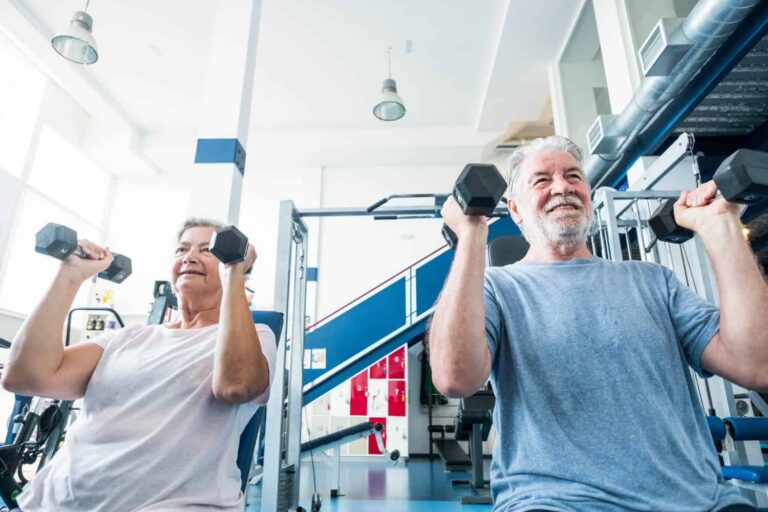
As we age, staying physically active and exercising can help improve both mental and physical health. Studies show that regular exercise for seniors helps improve balance, mobility, muscle strength and endurance, flexibility, coordination, and cognitive performance. Good health benefits associated with regular exercise include reduced risk of falls and fractures, making it easier to maintain your independence as you age. Below are five benefits of regular physical activity for seniors.
1. Prevent Disease
You might not think of exercise as preventive medicine, but it is. In fact, no pill or injection can replace the benefits you get from exercise. That’s because exercise helps prevent and treat many diseases that affect seniors:
- Heart disease and diabetes—Exercise keeps your heart healthy by improving blood flow to all parts of your body, which can help prevent heart attacks and strokes. It also works to reduce high cholesterol levels that are linked to these conditions.
- Depression—Exercising releases endorphins (happy chemicals), making you feel better about yourself and less vulnerable to depression. Plus, working out gives you an outlet for stressors in life so they don’t build up until they become overwhelming enough to trigger a depressive episode or relapse into depression after a period of remission.
- Arthritis—Regularly exercising joints helps strengthen them against wear and tear caused by age-related wear and tear on cartilage tissue (the soft tissue found between bones). Exercising strengthens muscles around joints so they’re better able to support the weight without straining tendons or ligaments attached to bone surfaces where there’s less padding located at junctions between the bone ends/joints–allowing someone who has arthritis pain while standing still to walk longer distances comfortably due stretching out muscles before starting any activity takes place which reduces pain when movement begins again later during recovery time frame after completing routine workouts.”
2. Improved Mental Health
Regular exercise is one of the best ways to improve mental health. Exercise has been shown to reduce the risk of depression, improve mood and sleep patterns, reduce anxiety and improve self-esteem.
Exercise helps you feel better about yourself by boosting your confidence in your ability to do things that you previously felt were beyond you. It also increases your energy levels and makes it easier for you to get through any daily tasks that require physical stamina such as walking upstairs or carrying groceries from the car back into your home.
Regular exercise will help keep cortisol levels low which can lead to better sleep at night resulting in fewer restless nights tossing and turning before finally falling asleep again if at all! This means less fatigue during waking hours which translates into feeling more alert during daytime activities like shopping trips with friends or going out for lunch while on break from work.
3. Decreased Risks of Falls
There are several reasons why exercise is beneficial for seniors and aging adults. Exercise reduces the risk of falls, which can be especially dangerous because older people often have more fragile bones and less mobility than younger individuals.
To prevent falls, it’s important to do exercises that strengthen your balance and flexibility, as well as improve your cardiovascular health. The American Council on Exercise (ACE) recommends walking or swimming as great ways to improve these areas of fitness. They also suggest strength training with free weights or resistance bands if you don’t have access to a pool.
In addition to reducing the risk of falls while exercising, ACE states that regular participation in physical activity may help reduce other risks associated with aging—including osteoporosis and chronic disease—by improving bone density, helping maintain muscle mass, and protecting against excess weight gain by allowing older adults who are inactive or physically disabled enough energy to accomplish daily tasks around their homes or even go out into public places without feeling tired from exertion afterward.
4. Social Engagement
Social engagement is another very important benefit of exercise for seniors. It has been shown to increase self-confidence, which can result in increased independence. These benefits are especially important if you have physical limitations that make it difficult to get around or participate in other pastimes.
Exercise also provides an opportunity to meet new people, which can help prevent loneliness and isolation by encouraging social interaction and creating opportunities for friendship. In addition, regular exercise can improve the quality of life for the individual who is aging or living with a disability by helping them remain mentally focused and alert. This helps them feel more productive and active throughout the day rather than feeling like they need to sit down all day long because they’re too tired from their daily routine at home!
5. Improved Cognitive Function
Physical activity can also help improve cognitive function. As we age, our cognitive abilities naturally decline, but physical activity may help slow this process. In fact, it’s been shown that regular physical activity can reduce the risk of Alzheimer’s disease and dementia by up to 50%. Furthermore, studies have shown that walking at least 30 minutes a day five days a week has been linked to better memory in older adults. Examples of activities you can do to increase your cognitive health include:
- Cardiovascular exercises (e.g., swimming or jogging)
- Weight lifting
- Yoga or Pilates