

To maintain healthy eyes, you should strive to eat a balanced diet that contains a variety of nutrients, especially antioxidants. Antioxidants neutralize free radicals in the body, which are unstable molecules that can cause damage to cells and tissues. Free radicals can lead to conditions such as cataracts and age-related macular degeneration, which can limit your vision.
1. Salmon
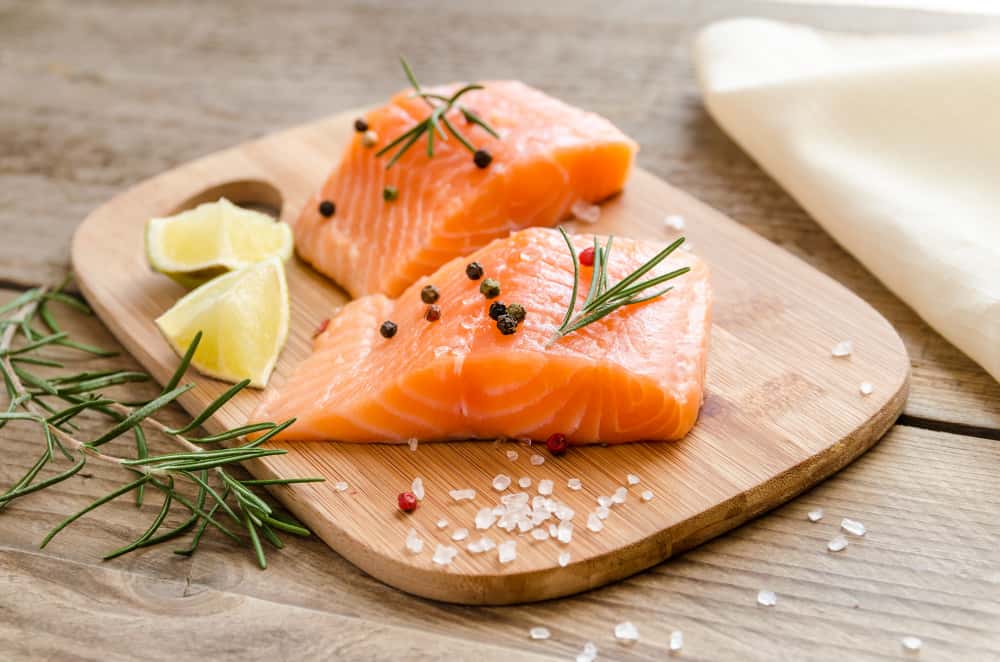
Salmon is an excellent option if you’re looking for food that will help keep your eyes healthy and strong. This fish is rich in omega-3 fatty acids, which have been shown to reduce inflammation and decrease the risk of cataracts. They may also help prevent age-related macular degeneration as well as dry eye symptoms, two conditions that can affect your vision over time.
2. Bell peppers
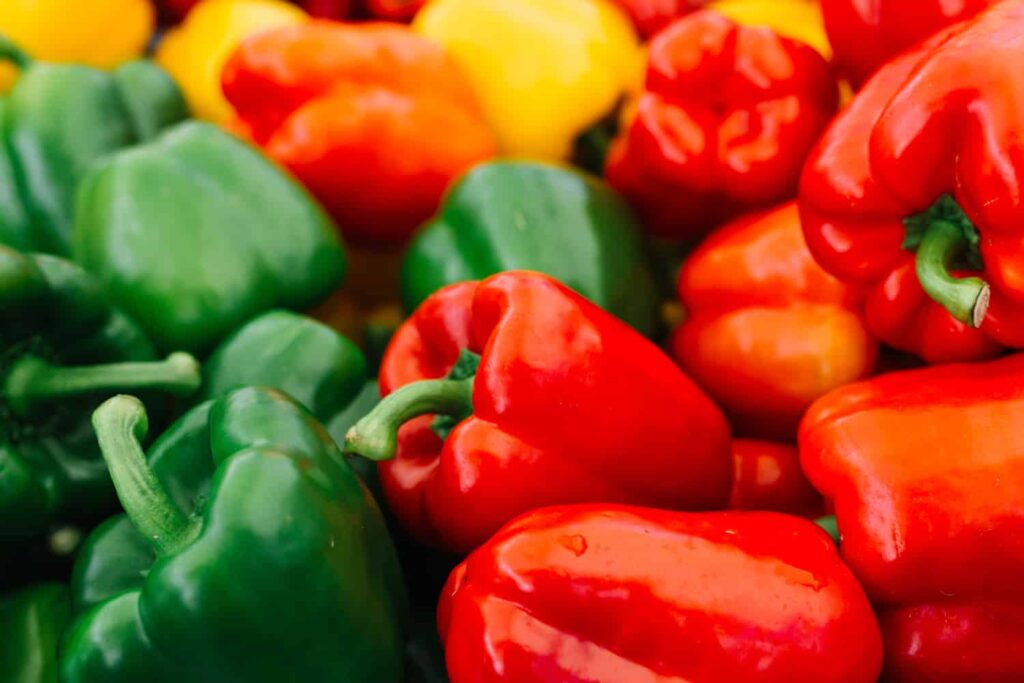
Bell peppers are rich in vitamin C, which helps protect your eyes. They’re also a good source of vitamin A, which is important for healthy eyes. Bell peppers contain carotenoids and lutein/zeaxanthin that help keep the lens clear as well as prevent age-related macular degeneration (AMD), a leading cause of blindness in older adults.
Vitamin K is essential for building strong bones and blood vessels, so it’s no surprise that bell peppers make the list! Vitamin K1 is found in leafy greens, while vitamin K2 comes from other foods like meat or fermented foods like cheese or natto (fermented soybeans).
Finally, bell peppers are an excellent source of vitamin E—a powerful antioxidant that protects cells from damage caused by free radicals and keeps our skin looking younger than its years.
3. Kale
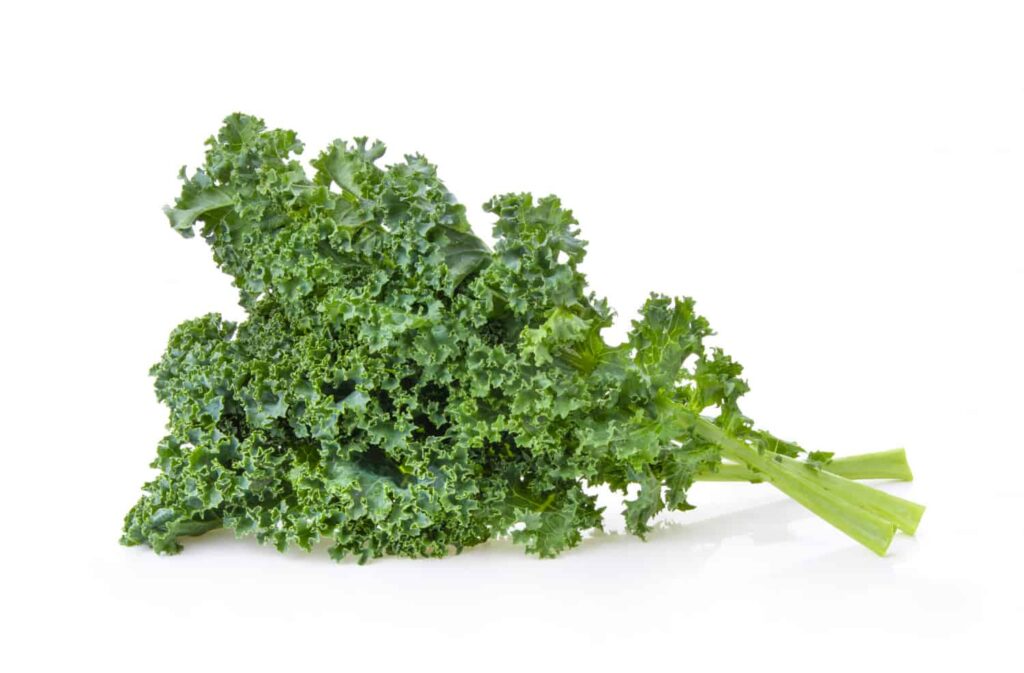
Kale is rich in beta carotene and vitamin C, which help to strengthen the immune system and protect against infections. It’s also very high in lutein and zeaxanthin, two antioxidants that help protect the eyes from free radicals (naturally occurring molecules that can damage cells). Kale is also a good source of vitamin K, which plays an important role in blood clotting.
4. Tomatoes
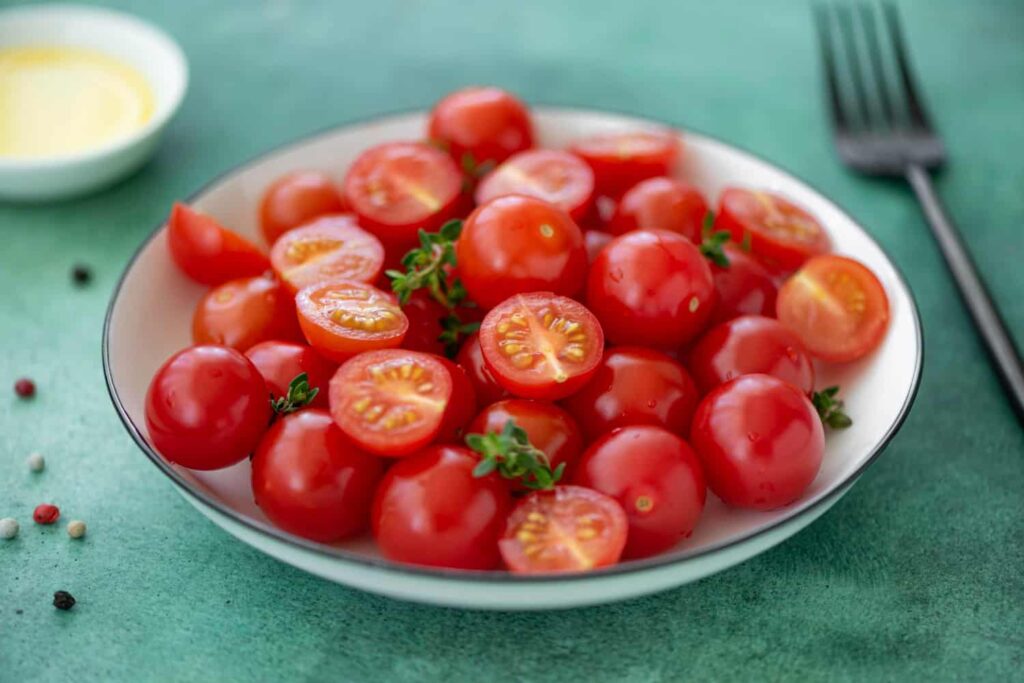
Tomatoes are rich in the antioxidant lycopene, which may help prevent cataracts. Tomatoes are also rich in vitamin C and vitamin A, and these nutrients may help prevent age-related macular degeneration (AMD) and glaucoma.
One study found that eating tomatoes or drinking tomato juice was associated with a reduced risk of AMD, while another study suggested that consuming foods high in carotenoids—a family of plant pigments that includes lycopene—may reduce your risk of developing AMD by up to 36%.
5. Blueberries
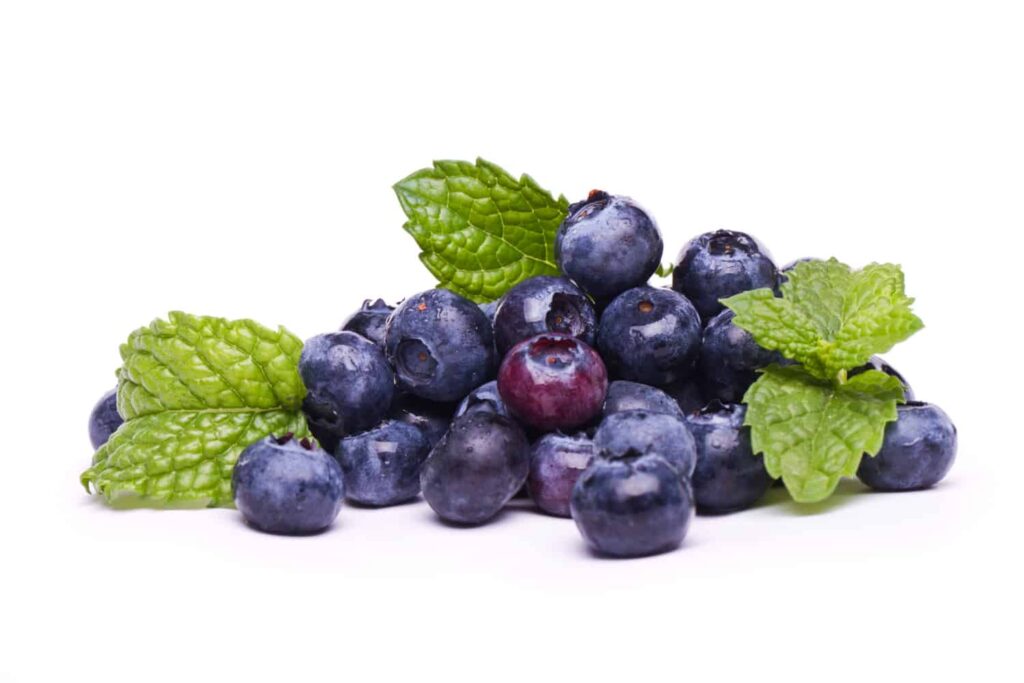
Blueberries are a good source of vitamin C, which is important for eye health. The antioxidant content of blueberries helps protect the eyes from damage caused by free radicals. Blueberries also contain manganese, which plays an important role in maintaining healthy skin and hair; vitamin K (another nutrient for healthy skin); and omega-3 fatty acids that improve vision.
You can eat fresh or frozen blueberries—they’re available year-round! They’re great on their own or mixed into yogurt or cereal.
6. Carrots
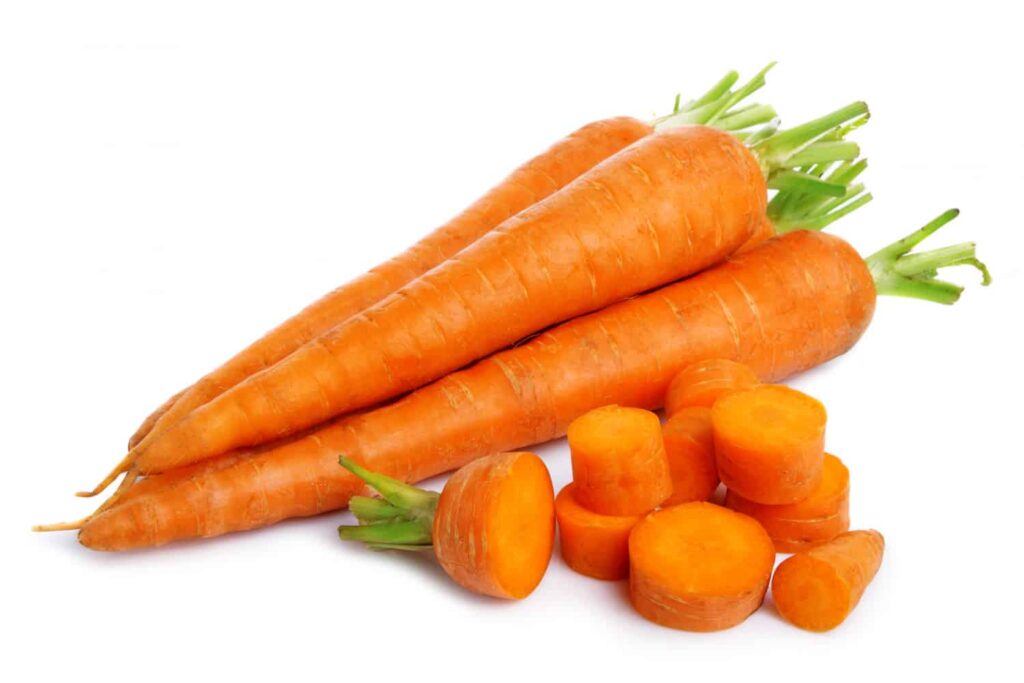
Carrots are rich in beta-carotene, which is a form of vitamin A. Vitamin A is important for eye health and plays a role in the development of your vision, especially at night.
Carrots are also high in vitamin C, an antioxidant that can protect your eyes from oxidative damage caused by free radicals.
7. Avocado
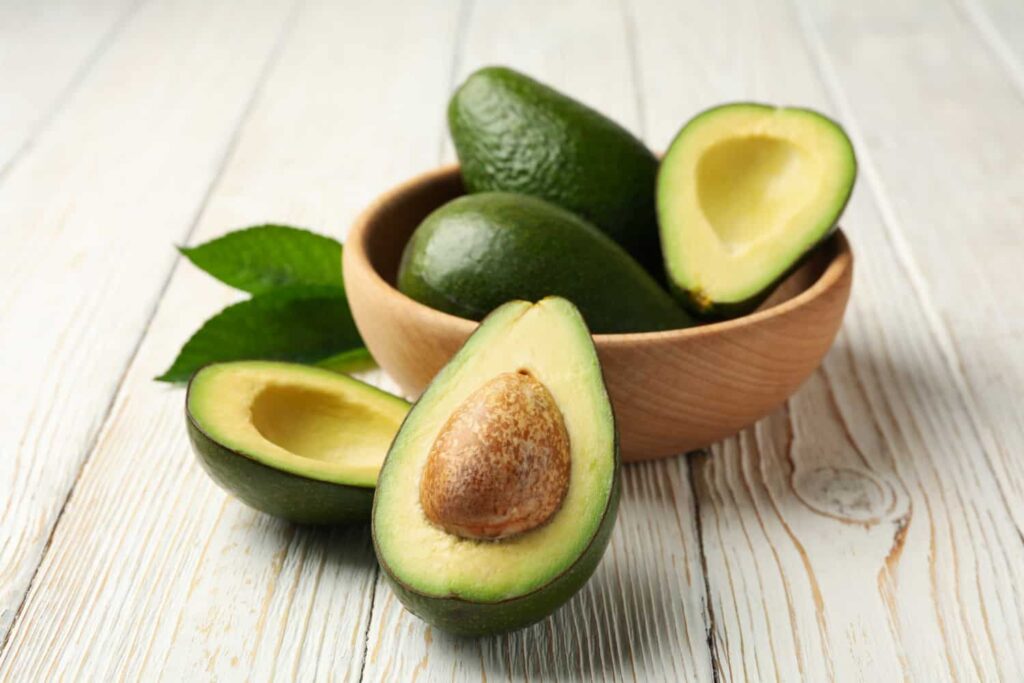
You probably already know that avocados are a good source of vitamin E, which is helpful for your eyes. But did you know that this fruit also contains potassium, fiber, vitamin K and essential fatty acids? Avocados’ high levels of monounsaturated fats help lower bad cholesterol and raise good cholesterol. It can also protect against cardiovascular disease and diabetes by improving insulin sensitivity.
And if all that wasn’t enough reason to eat this creamy fruit, it can actually improve your vision! The carotenoids lutein and zeaxanthin found in avocado help prevent age-related macular degeneration (the leading cause of blindness), making it one of the best foods for healthy eyes.
Conclusion
Taking control of your eye health is as simple as eating foods that are rich in nutrients. Eating a healthy, balanced diet can go a long way toward making sure you’re not lacking the vitamins and minerals your body needs to keep your eyesight sharp. This list should be more than enough for you to start incorporating more eye-healthy foods into your diet!