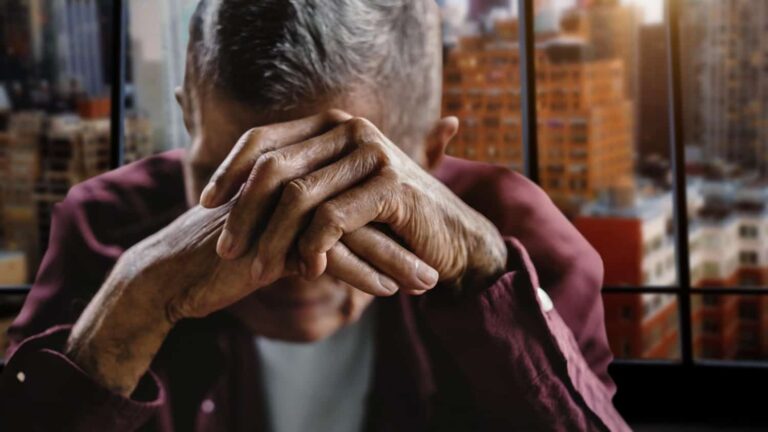
Depression is a common mental disorder that causes a person to experience sadness and loss of interest. Depression is not the same thing as grief, which is an emotional response to a loss or significant change in one’s life. Depression can occur at any age, but it’s most common in older adults.
This article will cover:
- The signs and symptoms of depression in older adults
- How to recognize symptoms of depression in yourself or someone else
What is Depression?
Depression is a mental disorder that causes feelings of sadness, hopelessness, and worthlessness. Anyone can experience depression, but it’s most common in adults aged 18 to 24 and older adults.
Here are some facts about depression:
- Depression symptoms include sadness, irritability, anxiety, and changes in sleep patterns and appetite. Some people may have physical symptoms such as headaches or digestive problems as well.
- Depression has many causes including genetics, brain chemistry imbalances, or other medical conditions such as thyroid disease or heart disease. It can also be triggered by stressful life events like job loss or the death of a loved one; drug abuse; certain medications; hormonal changes during pregnancy; menopause; chronic pain conditions resulting from injuries (such as amputation), cancer treatments (such as chemotherapy) or other illnesses/conditions (such as Parkinson’s disease).
Signs and Symptoms of Depression
Depression is a mood disorder that can affect people of all ages. It causes a persistent feeling of sadness, loss of interest in activities, decreased energy, and changes in sleep and appetite. In older adults, these symptoms are often similar to the ones they experienced when they were younger. They may also have more physical problems now than they did when they were younger.
The signs and symptoms vary depending on the age group affected by depression:
- Younger children will experience irritability as their main sign (for example, temper tantrums or constant arguing with family members).
- Teenagers may become anxious about doing well at school or with friends; this can result in frequent absences from school or poor performance on assignments or tests.
- Adults may withdraw from family life and close friends because they don’t want people to see them upset over something that happened earlier in life—even if that situation was resolved years ago!
Causes of Depression in Older Adults
- Social isolation: Older adults may be more socially isolated than younger adults, which can lead to a lack of emotional support and feelings of loneliness.
- Physical health problems: Many health issues that develop as people age can increase their risk for depression. These include chronic pain, heart disease, cancer, stroke, and other neurological conditions.
- Death of a spouse or friend: Research shows that the death of a spouse or close friend raises the risk for major depression in older adults by 40%. It’s important to know that grief is normal after losing someone you love — but if you’re feeling depressed despite having time to heal, ask your doctor about treatment options that could help ease your symptoms.
- Chronic pain: Painful chronic conditions like arthritis or fibromyalgia often go hand-in-hand with depressive disorders in older adults (and vice versa).
- Financial difficulties: Financial struggles are another common cause of depression in older adults — especially if they lose their job after retirement because they can’t afford health care costs without employer-provided coverage anymore.
How to Know if You Have Depression
- Trouble sleeping or sleeping too much.
- Loss of interest in things you once enjoyed.
- Fatigue or lack of energy.
- Feelings of worthlessness.
- Feeling hopeless.
- Trouble concentrating, for example, on reading the newspaper or watching TV for more than a few minutes at a time and paying attention to what is being said/done on the television screen (or reading material).
Treatment for Depression in Older Adults
Treatment for depression in older adults includes both therapy and medication. If you are feeling depressed, it is important to talk to your doctor about treatment options that may help. Your doctor might recommend that you try therapy or a combination of therapy and medication. They might also suggest lifestyle changes like exercise or diet modification.
What’s more, people with depression don’t have to go through treatment alone—there are various support groups available for individuals dealing with the condition as well as their loved ones and caregivers. Support groups such as the American Foundation for Suicide Prevention (AFSP) offer resources on how best to manage your symptoms and live life fully despite having depression, from coping tips for managing stressors like work deadlines all the way to practical advice on seeking professional medical help when necessary.
Managing Depression in Older Adults
- Learn what depression looks like in older adults. Depression can manifest differently in the elderly than it does in younger people, with symptoms such as social isolation and cognitive decline being more common.
- Talk about mental health. It’s important to discuss any concerns you have regarding your loved one’s mental well-being, so they can get help if needed.
- Try therapy or medication. A therapist or psychiatrist can guide you through treatment options based on your loved one’s unique symptoms and needs. Medications may be a viable option for some people but not others; research shows that most effective treatment plans involve both therapy and medication combined, creating an individualized care plan tailored to your loved one’s specific needs.*
- Take care of yourself too! It’s easy to get bogged down by caring for an older adult who is suffering from depression; take time out for yourself every day so that you don’t burn out too quickly—and so that it doesn’t negatively impact how much energy you have leftover at night when you come home from work.
Conclusion
If you believe that you or someone you love is suffering from depression, reach out to your medical provider. He or she can help guide you to the best diagnosis and treatment options for your specific situation.
If possible, consider using the Internet to find a medical provider in your area who has experience with older adults. You can also talk with family and friends about which type of professional might be best suited for your needs.
Ask your doctor if he or she has any recommendations on where to seek help locally (e.g., support groups) and whether there are any resources available near where they work that they think would be helpful (e.g., therapists). In addition, try searching online for nearby therapists who specialize in working with older adults; this will give you an idea of what types of professionals might be available locally if no one else has any recommendations for services near their office locations (which may not always be close enough).