Summer is here, and with it comes the temptations of pool time, outdoor barbecues and outdoor activities. But if you have heart disease or are at risk for cardiovascular disease (CVD), staying cool in the heat can pose a challenge. As temperatures rise this summer, we want to remind readers that they need to be especially careful when exercising outdoors—especially if they have other medical conditions such as high blood pressure or diabetes.
What is heat stroke?
Heat stroke is a medical condition that occurs when the body’s temperature rises to dangerous levels. In some cases, this can occur quickly and without warning.
Heat stroke causes symptoms such as:
- High fever (above 103 degrees Fahrenheit)
- Rapid pulse rate (more than 100 beats per minute)
- Sweating that changes from pale to red or dark brown in color
When should you call 911?
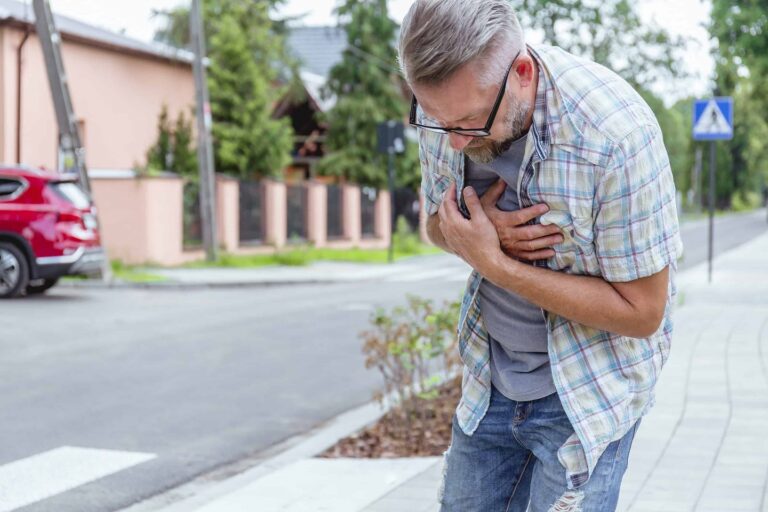
If you’re having symptoms of a heart attack, call 911 immediately. These include:
- Chest pain or discomfort (may be mild to severe)
- Fatigue and shortness of breath
- Feeling faint or lightheaded
If you are having trouble breathing and are in acute distress, call 911 right away. This could happen when you have difficulty taking a deep breath or when your chest feels tight or painful. You may also notice that it feels like something is caught in your throat as well as having difficulty speaking or swallowing food/drink
How to beat the heat
- Wear loose-fitting clothing. The heat can constrict blood flow to your skin, so wearing tight or constricting clothes can increase the risk of a heart attack.
- Wear a hat when outside. This helps keep you cool and protects your head from sunburns, which are linked to an increased risk for heart disease and stroke.
- Stay in the shade as much as possible during midday hours (between 10:00 am and 4:00 pm).
- Avoid strenuous activity during these times; instead, take it easy by walking slowly or taking short breaks between activities such as playing tennis or golfing! If you must exercise outside at this time frame but would still like some cooling relief from the sun on your face/body/backside then consider using sunscreen with SPF 30+ protection so that it doesn’t burn too much after being in direct sunlight for extended periods of time.”
Prevention tips for people with heart problems.
If you have heart problems, these tips can help you avoid the risk of a summer heart attack:
- Take it easy during the workweek. If possible, schedule only two or three days of strenuous activity in a row each week and rest on Sunday or Monday. You may also want to reduce your daily exercise by about 30 percent for six months before resuming an active lifestyle.
- Stay hydrated throughout the day with plenty of water (at least eight glasses per day), but don’t overdo it if you’re particularly thirsty! Avoid alcohol because it’s dehydrating and will make your body more prone to heatstroke—a condition that causes sudden sweating and rise in body temperature combined with confusion, exhaustion and even coma—especially since alcohol may increase blood flow through vessels near the surface area where sweat glands are located (which could lead directly into dehydration). Caffeine can also worsen dehydration; so try not drink caffeinated beverages between meals as well as at night when they’re more likely consumed alone due to its stimulant effects on metabolism.”
Stay cool and hydrated when it’s hot. If you have heart disease, work with your doctor on a plan to adapt your activity level as temperatures rise.
To prevent a summer heart attack, stay cool and hydrated when it’s hot. If you have heart disease, work with your doctor on a plan to adapt your activity level as temperatures rise.
- Drink plenty of water—it’s best to drink 6-8 glasses per day (about 1½ quarts) and avoid alcohol or caffeine for at least 12 hours before and after exercise.
- Stay in the shade whenever possible; wear light-colored clothing; avoid strenuous activity such as long walks or hikes; avoid standing in one place for too long (such as waiting at an airport); don’t eat fatty foods like burgers or french fries because they raise blood pressure levels quickly while they are being digested by the body; skip meals altogether if possible so there aren’t any empty calories left over after eating something high in fat content
Conclusion
When it’s hot outside, it’s easy to forget about your heart and other health issues. But you should make sure that they get the care they need during these hot spells! It’s always a good idea to check in with your doctor before heading out into the heat or doing strenuous physical activities indoors.